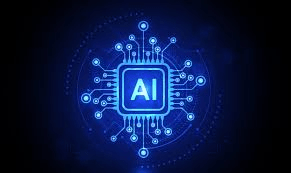
Building on our understanding of Edge AI, it’s clear that hardware plays a critical role in enabling intelligent, responsive, and private devices at the edge. But have you ever wondered what makes these smart devices possible? The answer lies in specialized AI chips—the hardware accelerators designed to process AI workloads efficiently right where the action happens.
Why Hardware Matters in Edge AI
Traditional CPUs (Central Processing Units) are versatile but not optimized for the intense, parallel computations required by modern AI models. Cloud data centers often use high-powered GPUs (Graphics Processing Units) or TPUs (Tensor Processing Units), but these are too large, power-hungry, and costly for integration into small, battery-powered devices.
This gap has driven the development of AI-specific chips that balance performance, power efficiency, and size—making true on-device intelligence a reality.
Types of AI Chips Powering the Edge
- Edge AI Accelerators:
Compact chips designed specifically for AI inference tasks. Examples include Google’s Edge TPU and Intel’s Movidius Myriad chips. They provide fast, energy-efficient processing for tasks like image recognition, voice commands, and sensor data analysis. - Neuromorphic Chips:
Inspired by the human brain, these chips aim to process information in a way that mimics neural activity. They excel at adaptive learning and energy efficiency, ideal for autonomous systems and robots. - ASICs (Application-Specific Integrated Circuits):
Custom-designed chips tailored for specific AI applications, offering optimized performance and low power consumption. Companies are increasingly designing ASICs for tasks like facial recognition, language processing, and sensor fusion.
How These Chips Enable the Future
- Smaller, smarter devices:
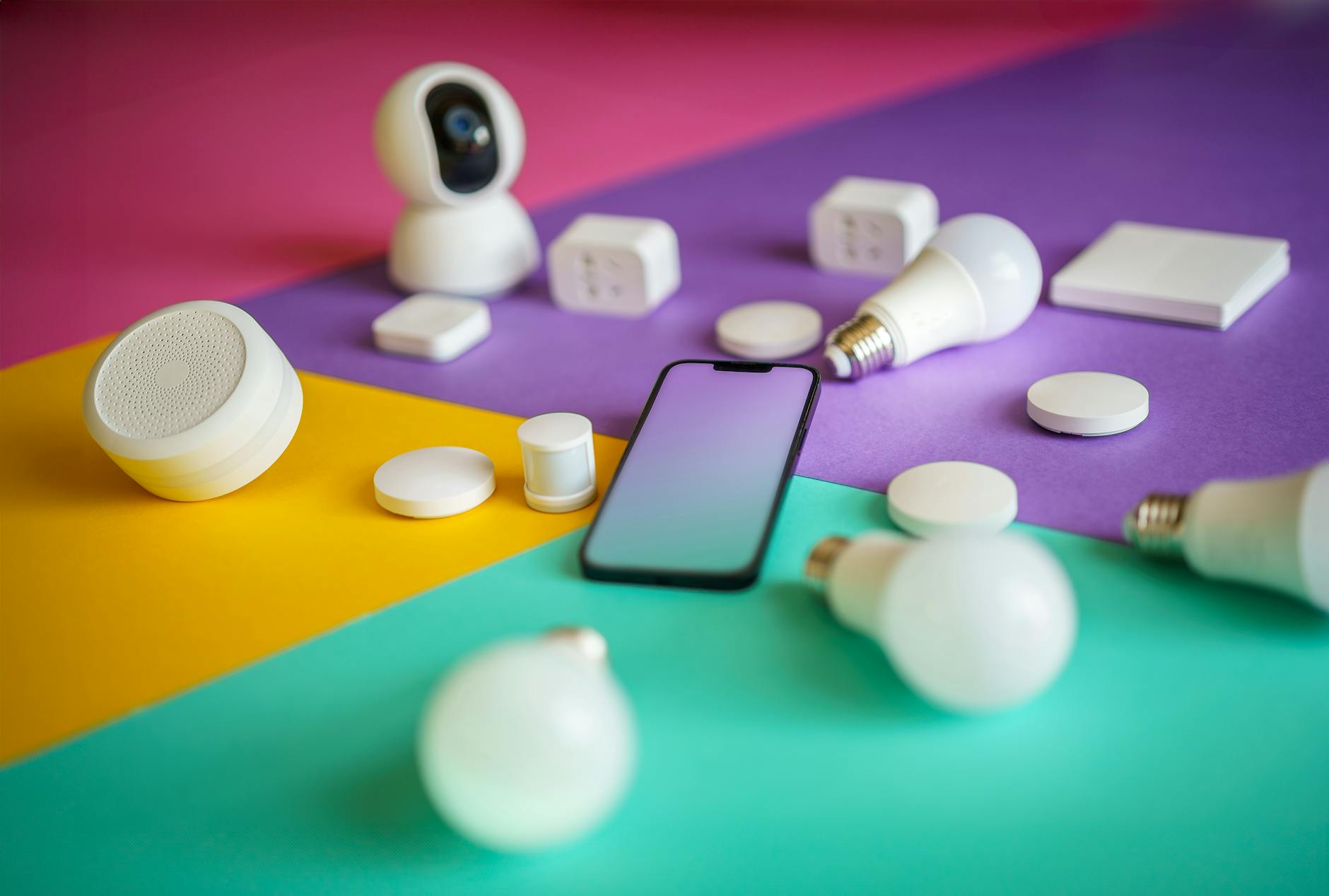
With dedicated AI chips, devices like smart cameras, wearables, and home assistants can perform complex tasks locally, reducing reliance on cloud services. - Enhanced privacy:
On-device processing means sensitive data stays on the device, minimizing privacy risks. - Longer battery life:
Energy-efficient chips extend the operational time of mobile and portable devices. - Real-time responsiveness:
Faster processing leads to immediate reactions—think self-driving cars avoiding obstacles or medical devices detecting emergencies instantly.
The Road Ahead
As AI chips become more powerful and energy-efficient, we’ll see an explosion of intelligent devices embedded seamlessly into our daily lives. Major tech companies and startups alike are investing heavily in developing these specialized hardware solutions, making the future of Edge AI even more exciting.
In summary:
The next generation of AI chips will be the backbone of our smart, connected world—powering everything from autonomous vehicles to health monitoring gadgets—right at the edge, where the action happens.
Stay tuned for more insights into the hardware and software shaping our AI-driven future!

 JovaPulse Technologies
Leave a comment